In short
Hospitality PR earns editorial coverage for hotels, restaurants and bars rather than buying it.
Start six to eight weeks before a restaurant opens, and eight to twelve before a hotel does.
Let friends and family test the service before any critic arrives.
In the UK, creators given a free meal or stay must label their posts clearly as ads.
Measure results against goals set at the start, not advertising value equivalents.
Hospitality PR is the work of getting a hotel, restaurant or bar written about by the people its guests read and follow: food, drink and travel writers, critics and creators. Done well, it turns an opening, a new menu or a new chef into coverage that brings people through the door.
This guide explains what hospitality PR covers, when to start before an opening, how press and creator visits work, the UK rules on gifted meals and stays, and how to judge whether the work paid off. It ends with a checklist and answers to common questions.
Hospitality PR is public relations for places where people eat, drink and stay. Its job is to win media attention for a venue and shape how journalists, creators and future guests understand it. Unlike advertising, the coverage is not bought: a writer chooses to cover the venue because the story is worth telling.
For a hotel, restaurant, bar or group, the work usually covers:
Press outreach Pitching food, drink, travel and lifestyle writers who cover your kind of venue, and following up
Openings and announcements Launches, relaunches, refurbishments, new menus and chef appointments, each with an angle decided before anything goes out
Press materials Releases, imagery, menus and fact sheets, so a writer has everything needed to cover you
Critic and press visits Hosted meals and stays, arranged and followed up
Creator visits Creators and talent chosen for their fit with the venue and its guests
Coverage reporting A record of what ran and what to do next
That is the shape of our hospitality PR service. For brands outside food, drink and travel, see PR for brands.
Start earlier than feels necessary. Monthly magazines and guides plan their issues months ahead, while online and national press can move within days. A late start rules out much of print, even if it does not rule out everything.
As a working guide:
Restaurants Begin the campaign six to eight weeks before the doors open
Hotels and multi-concept venues Allow eight to twelve weeks, as there is more to explain and more people to brief
Story first, party last
The order matters. Settle the story first: what is new, who is behind it and why a reader should care. Then build relationships with journalists and creators and secure early teaser coverage. The launch event comes near the end, not at the start.
Rehearse before the press arrives
Run a friends-and-family service before any journalist sits down. Forgiving guests let the staff learn the room, so a writer's first impression has a fair chance. A critic's table is not the place to test a new kitchen.

Final preparations before opening night
A hosted visit sits at the centre of most hospitality PR. The writer comes for a meal or a stay, the venue looks after them, and the PR team follows up with images, facts and answers to anything the piece needs.
Three things make visits work:
The right list Invite writers who cover your type of venue for titles your guests read. A cocktail bar and a country house hotel need different lists
A ready press pack A clear release covering who, what, when and where, with quotes from the owner or chef, plus good imagery, the menu and a fact sheet
A proper follow-up Thank the writer, send what they asked for and keep the relationship going after the piece runs
Can PR guarantee a review?
No. Critics choose what they cover and what they say. Anyone promising a guaranteed review is either paying for it or guessing. What PR can promise is the work: the right people invited, briefed and looked after.
Events that bring the press in
Openings often pair outreach with launch parties, press nights and tasting dinners, with press on the guest list from the start. If you are planning one, read our guide to event production.
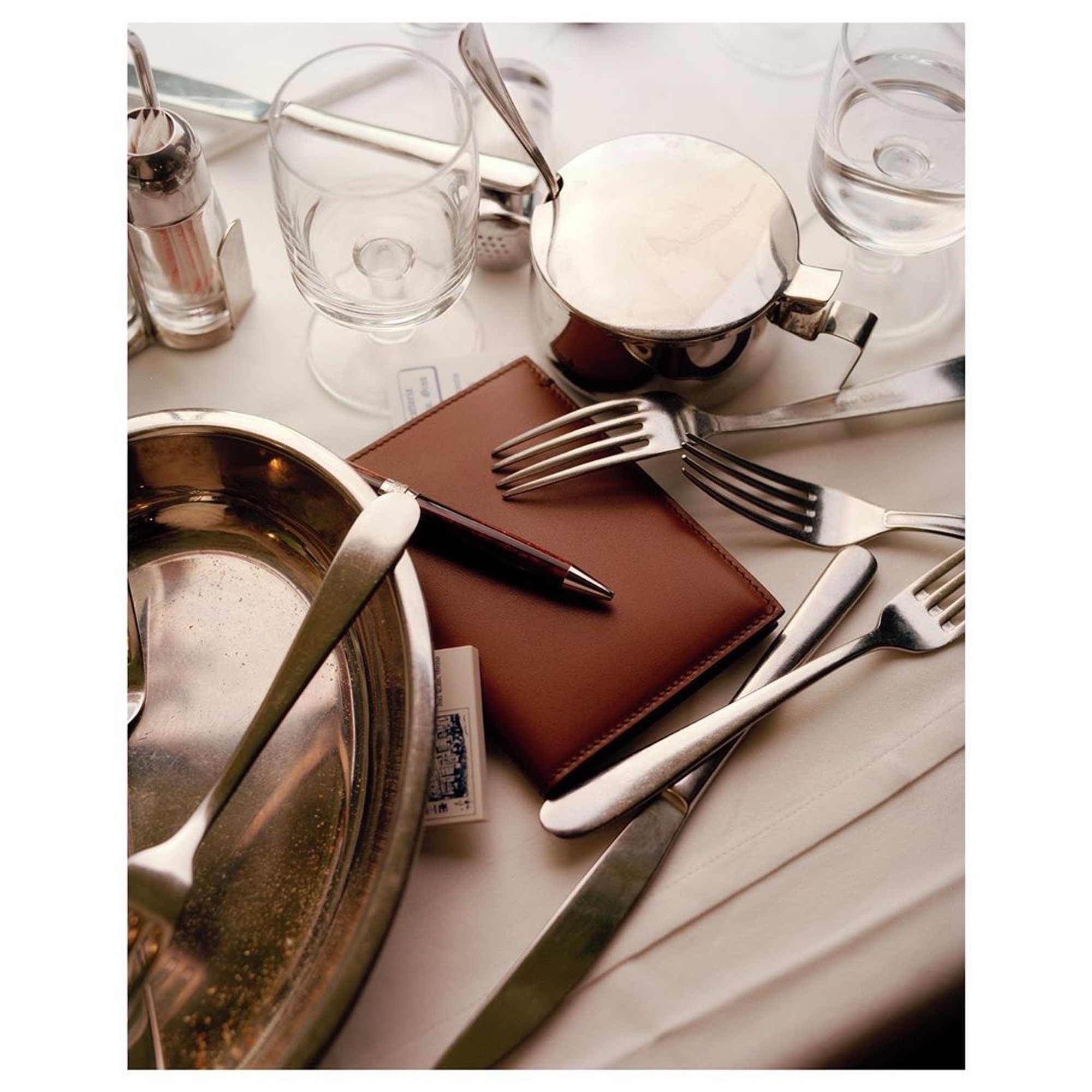
A hosted dinner for a visiting writer
Creators now sit alongside journalists on most visit lists. A creator's post can reach guests a print review never would, and the content can have a second life as user-generated content on the venue's own channels. Choose creators for their fit with your venue and your guests, not for follower count alone. Our creator management team works on exactly that match.
In the UK, a free meal or stay changes what the post is. The Advertising Standards Authority (ASA) says that when a brand gives a creator any incentive, requested or unsolicited, content about the brand must be obviously identifiable as advertising.
Use a clear label The ASA prefers labels such as "Ad" or "Advert", and a "#" is optional if the label is prominent
Avoid vague tags "Gifted" on its own is unlikely to be clear enough, and tags like #BrandAmbassador do not say the post is an ad
Do not bury it A label lost in a list of hashtags at the end is not acceptable
In a 2023 ruling, the ASA found that simply suggesting a creator post with a given hashtag, in connection with a gift, was enough to require an ad label, even without a contract. Agree the labelling in writing before the visit.

A creator filming a hotel stay
Good measurement starts before the work does. The Barcelona Principles, the measurement framework from AMEC, the industry's measurement body, call for measurable goals set before planning, and for outcomes to be measured as well as output.
The same principles say advertising value equivalents (AVEs) do not measure the value of communication. An AVE prices coverage as if it were bought advertising space. That makes a big number easy to quote, but it says nothing about whether the coverage did what the venue needed. Ask for something more useful:
A coverage record Each piece that ran, with title, date, reach and link
What the visits produced Reviews, features, creator posts and content you can reuse
Results against your goals Whatever you agreed at the start
Next steps What worked, what did not and what to pitch next
PR also protects what it builds. Reviews and social posts shape how a venue is seen, so have a plan ready for when things go wrong. Our piece on crisis communication covers the basics.
Checklist
FAQ
Advertising is space you pay for. Hospitality PR earns editorial coverage: a journalist, critic or creator chooses to write about your venue because the story is worth telling.
Six to eight weeks is a sensible minimum, and eight to twelve for a hotel. Monthly magazines plan months ahead, so start earlier if print matters to you.
In the UK, yes. The ASA says content about a brand that gave any incentive must be obviously identifiable as advertising, and "Gifted" on its own is unlikely to be clear enough.
A retainer suits ongoing press. A project suits a single opening or moment. We set out the scope, cost and exclusions in writing before work starts, so if you want to talk through yours, use our contact page.
Send your brief and we’ll come back to you.

Journal
More from the journal
Read all